The Future of Urban Living: Why Co-Living Spaces Are on the Rise in 2025
Jun 2, 2025
By
Nuvarsa
,
Published on
Jun 2, 2025
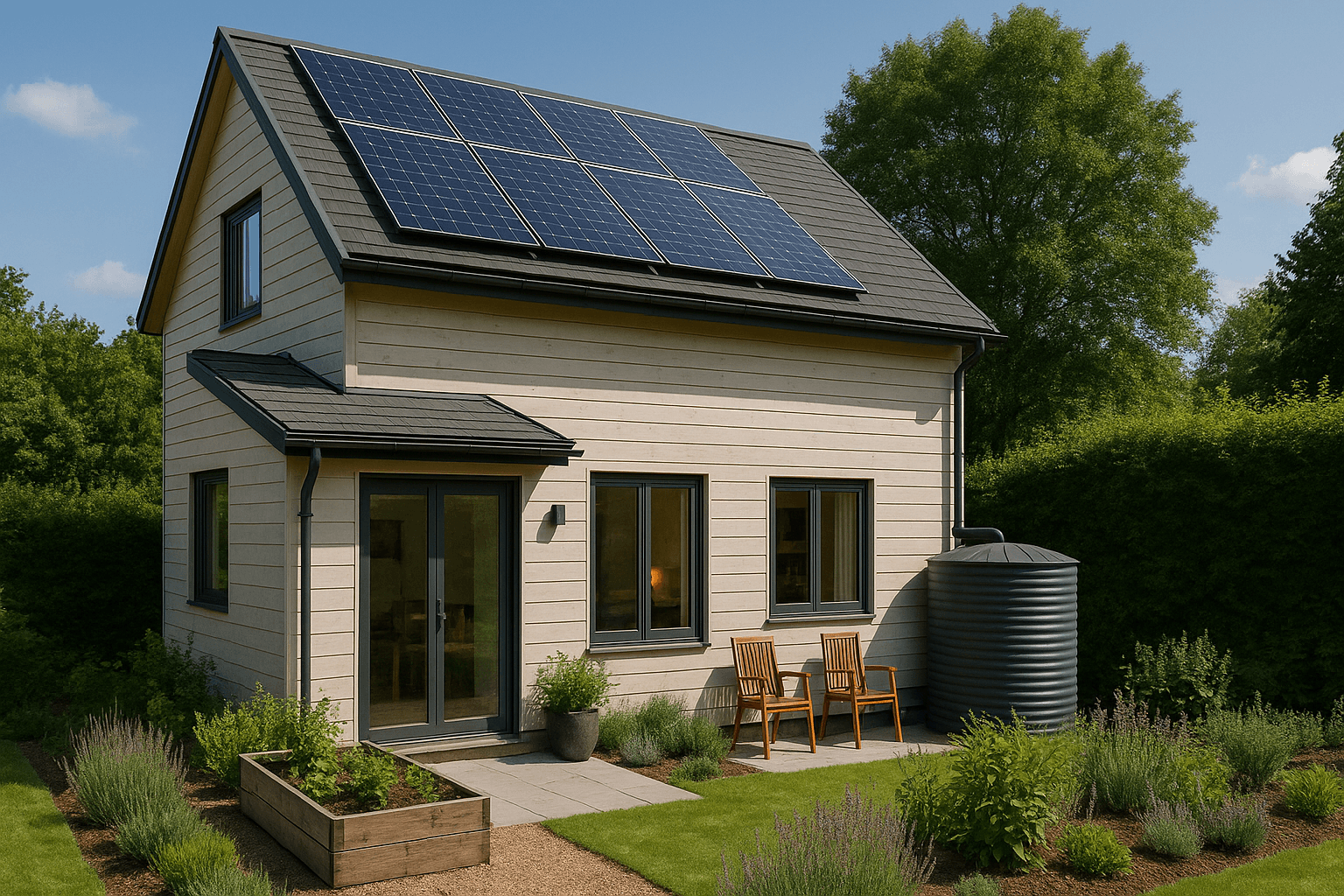
As climate change becomes a growing concern, homebuyers, developers, and investors alike are turning their attention to a new standard of housing: sustainable, eco-friendly homes. In 2025, these aren’t just niche concepts—they’re becoming essential in urban planning, architecture, and long-term real estate value.
A sustainable home minimizes its environmental impact throughout its lifecycle—from construction to daily operation. These homes focus on:
Energy efficiency
Water conservation
Non-toxic materials
Smart waste management
Minimal carbon footprint
Sustainability isn’t just about green roofs or solar panels. It’s about creating a living environment that supports both people and the planet for decades to come.
Millennials and Gen Z—who now dominate the housing market—are prioritizing environmental responsibility. A home that saves energy and reduces waste is no longer a “nice to have,” but a key purchase criterion.
Though the upfront costs for sustainable features can be higher, they quickly pay off through lower utility bills, tax incentives, and increased durability. Homes with solar panels, for instance, can reduce electricity bills by up to 70%.
In many countries, local and federal governments offer tax credits, grants, and rebates for eco-conscious upgrades, such as solar installation, energy-efficient HVAC systems, or greywater recycling.
Solar Power Systems: Renewable energy source that lowers grid dependency.
Green Roofing: Insulates naturally and reduces urban heat.
High-Efficiency Windows and Insulation: Keeps heat in during winter and out during summer.
Rainwater Harvesting Systems: Captures and reuses rainwater for landscaping or flushing.
Energy Star Appliances: Use significantly less electricity and water.
Sustainable Building Materials: Bamboo, reclaimed wood, recycled steel, and low-VOC paints.
Smart Home Integration: Automatically adjusts energy usage for optimal efficiency.
A 2024 report by McKinsey found that certified green buildings typically have a 7% higher market value and 20% lower operating costs compared to traditional homes.
Additionally, sustainable homes:
Sell faster
Attract environmentally conscious tenants
Are more resilient to energy cost spikes
Initial Costs: Some technologies, like solar or geothermal, still require a high upfront investment.
Knowledge Gap: Many homeowners aren’t fully aware of their options—or the long-term ROI.
Regulatory Hurdles: Some local building codes may lag behind new sustainability innovations.
The key? Work with eco-specialized contractors and stay updated with green financing or subsidies in your region.
As the planet becomes warmer and urban populations grow, green housing will move from being a differentiator to a requirement. In many cities, zero-energy building codes are already in place. Investors and homeowners who adopt sustainable principles early will benefit not just financially, but also environmentally.
Whether you’re renovating, buying, or investing—eco-friendly homes are the future. And that future is arriving faster than we think.