
The Future of Urban Living: Why Co-Living Spaces Are on the Rise in 2025
Jun 2, 2025
By
Nuvarsa
,
Published on
Jun 2, 2025
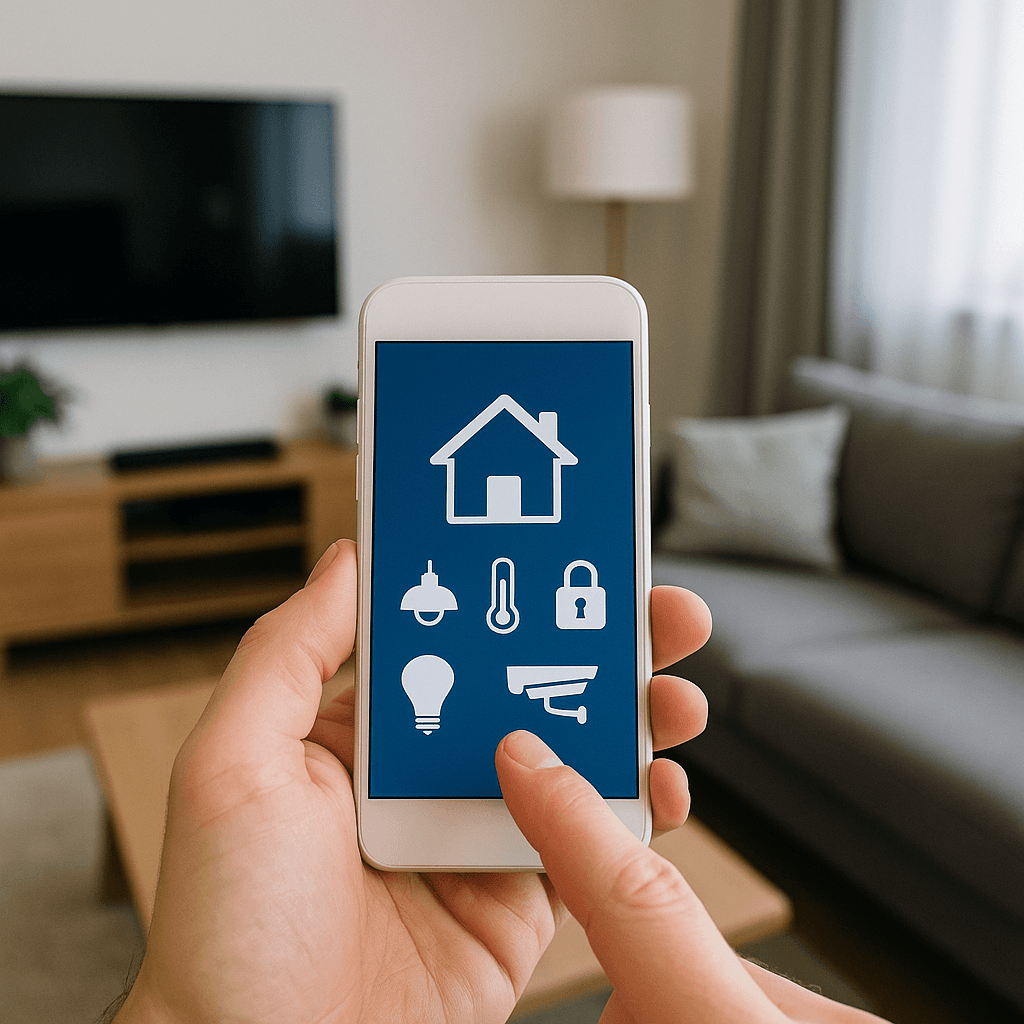
In the past, location was the undisputed king of real estate value. Today, in 2025, that throne is being shared with something newer: technology. Smart homes—once a luxury—are quickly becoming the norm, transforming buyer expectations, boosting property values, and redefining how we live.
A smart home integrates automated and connected devices—everything from lighting, climate control, and security to entertainment systems and kitchen appliances—controlled via mobile apps, voice assistants, or AI.
Examples include:
Thermostats that learn your habits (e.g., Nest, Ecobee)
AI-powered security systems with real-time alerts
Smart fridges that track inventory and expiration dates
Voice-controlled lighting and entertainment setups
Convenience
Managing everything from one phone or voice command simplifies daily life, whether you’re home or away.
Security
With smart locks, doorbell cameras, and motion detectors, homeowners feel safer and more in control—even when traveling.
Energy Efficiency
Smart thermostats, LED lighting, and solar integration help lower utility bills and reduce carbon footprints, a major plus in today’s eco-conscious world.
Future-Proof Appeal
As new generations of homeowners enter the market, smart integrations are no longer optional—they’re expected.
Homes equipped with smart tech often command higher sale prices. A 2024 Zillow study found that homes with smart thermostats, lighting, and security sold for 5–10% more than their traditional counterparts.
Tech-savvy buyers are actively searching for homes that align with their connected lifestyles. Smart homes typically spend fewer days on the market, making them more attractive to sellers.
For landlords, smart homes can mean premium rental pricing, especially in urban areas or for short-term rentals that highlight ease and security.
If you’re looking to upgrade your property, start with:
Smart Security: Cameras, locks, sensors
Smart Lighting: App/voice-controlled LED systems
Thermostats: AI-enabled temperature control
Voice Assistants: Integration with Alexa, Google Assistant, or Apple HomeKit
Energy Monitoring: Smart plugs and solar management tools
Privacy Concerns: Buyers fear hacking or surveillance. Reassure them with encrypted systems and local storage.
Cost of Setup: While initial costs exist, tax credits and utility savings often offset them over time.
Complexity: Opt for user-friendly, plug-and-play systems that don’t require technical expertise.
As technology continues to evolve, so will the expectations of homebuyers. In five years, the term “smart home” might feel redundant—just like “color TV” today. Homes that don’t adapt risk becoming obsolete or undervalued.
Whether you're selling, renting, or simply improving your living experience, investing in smart home tech isn’t just about convenience—it’s about staying ahead of the curve in a fast-moving market.